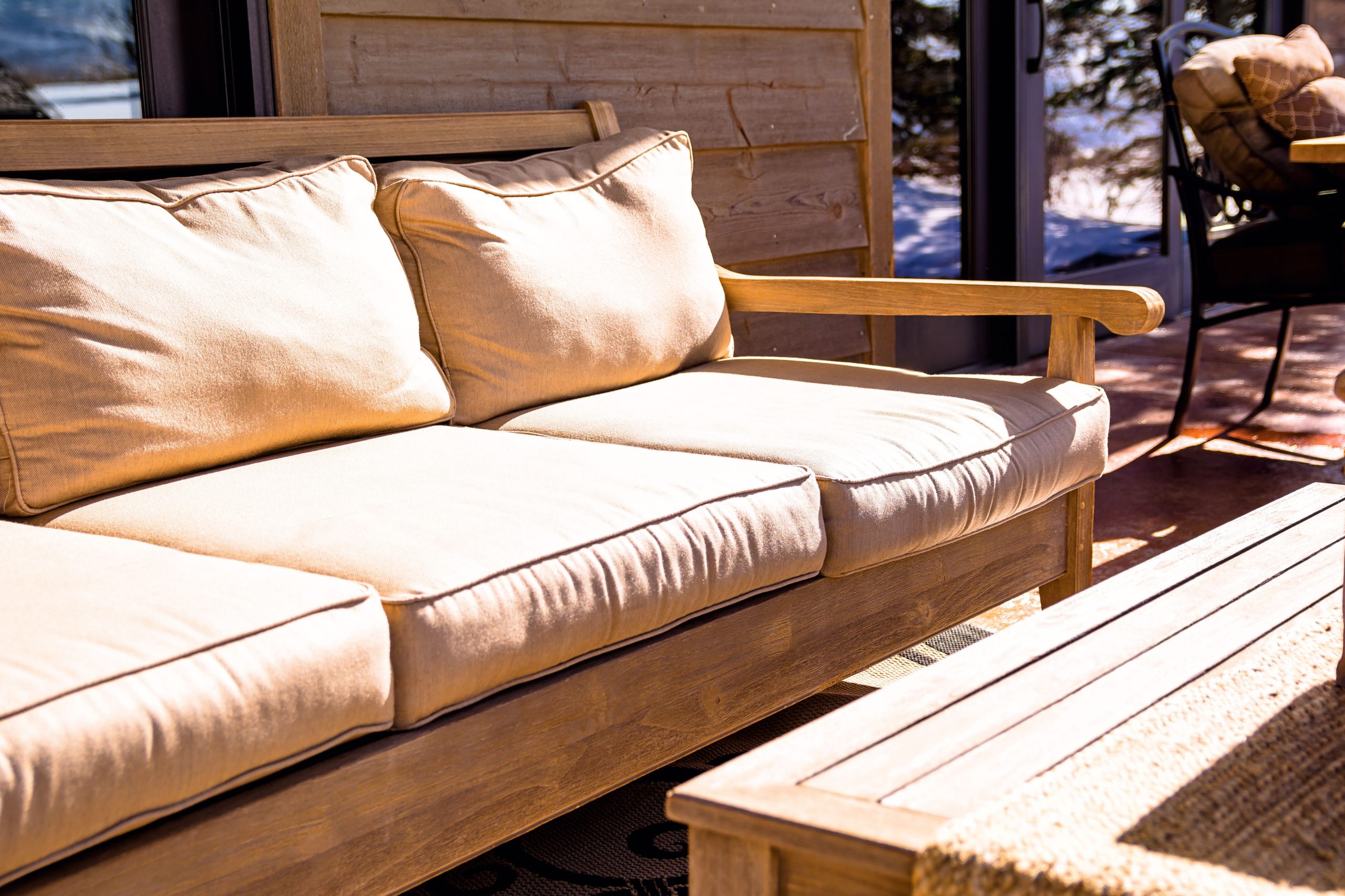
A stylish outdoor space should do more than look good in a photograph. It should let people move easily, give the cook somewhere to put things, offer a comfortable seat away from the conversation when needed, and still feel calm when nobody is hosting. The most reliable way to achieve that balance is to plan the layout first and treat decoration as the finishing layer. Even the surface underfoot matters: a well-chosen decking area can establish a clear, durable base for both lounging and dining without forcing every activity into one crowded zone.
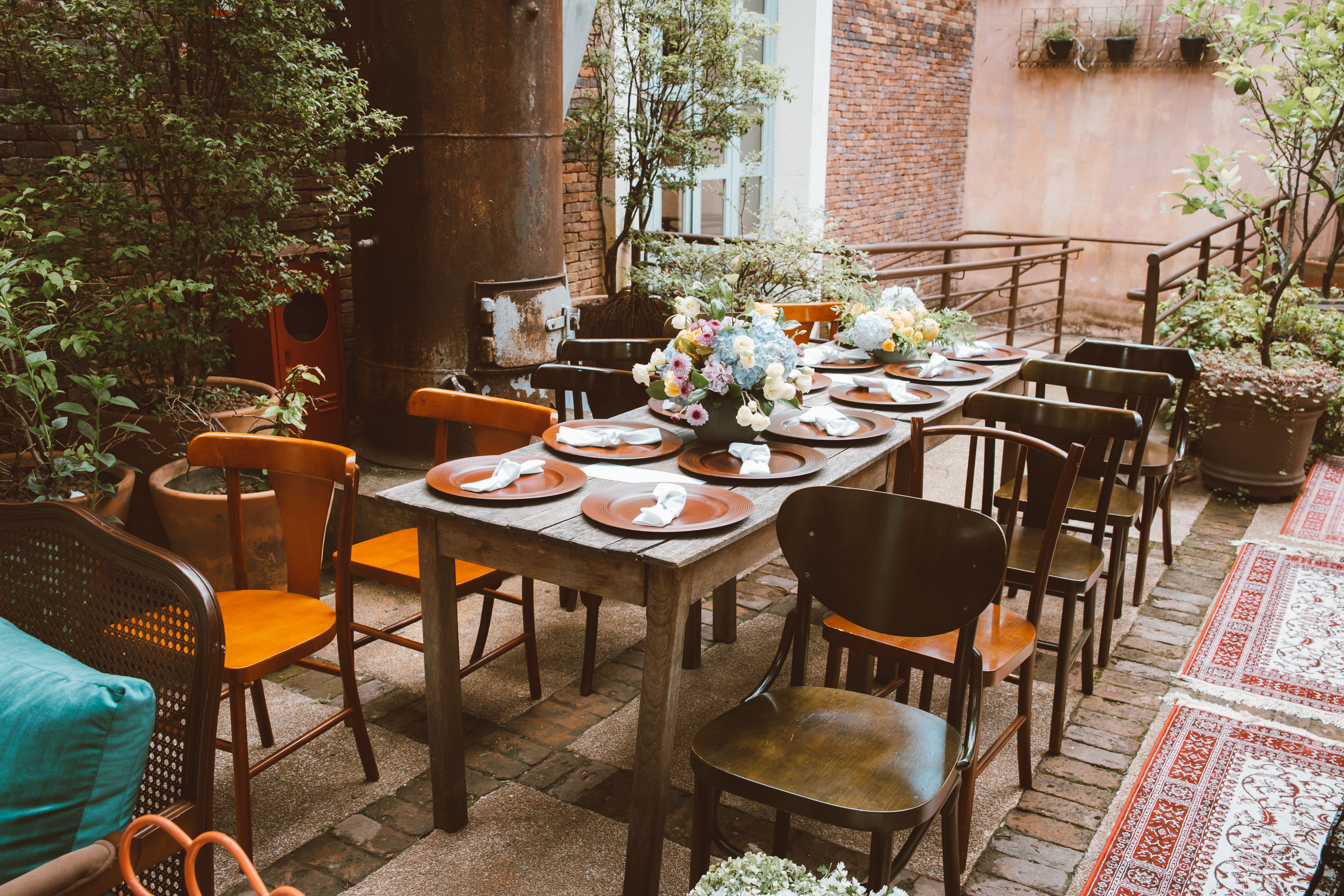
Table of Contents
- Start with the layout, not the accessories
- Create zones that can change purpose
- Choose furniture for real comfort
- Use planting to soften and frame the space
- Select surfaces and materials with maintenance in mind
- Make evening lighting useful, not glaring
- Design for entertaining without losing the quiet feeling
- Frequently asked questions
Start with the layout, not the accessories
Before choosing cushions or lanterns, observe the space at different times of day. Note where the sun falls at lunch, which corner catches the prevailing wind, how people leave the house, and whether a neighbouring window looks directly into the garden. A beautiful chair in the wrong place is still the wrong chair.
Draw the outdoor area roughly to scale and mark the door, steps, fixed planting, drains, and utility points. Then sketch the route between the kitchen and the main seating area. That route should remain obvious and reasonably clear, particularly when guests are carrying hot food or drinks.
The Royal Horticultural Society’s garden-design guidance treats circulation, planting, water, and the character of the site as design decisions rather than afterthoughts. That is a useful distinction: outdoor rooms work best when they respond to the conditions they already have.
Create zones that can change purpose
A compact garden does not need separate rooms for dining, lounging, cooking, and quiet time. It needs a few recognisable areas that can overlap. A dining table can become a work surface in the afternoon; two lounge chairs can face the table during a gathering and turn toward the garden later.
| Zone | Primary use | Useful features | Planning point |
|---|---|---|---|
| Arrival and serving | Moving food and guests from indoors | Clear path, nearby surface, good step lighting | Keep it free of low pots and loose decor |
| Dining | Meals and larger gatherings | Stable table, upright chairs, shade option | Leave enough room to pull chairs out |
| Lounge | Conversation and reading | Deep seating, side tables, cushions | Face seats toward one another rather than only toward the house |
| Quiet edge | Rest, plants, and retreat | Single chair, screening, softer planting | Place it slightly away from the busiest route |
The table’s main lesson is that not every part of the garden needs to perform equally. A small quiet edge can make a social space feel more generous because it gives the eye somewhere to rest and gives one person an alternative to the centre of the gathering.
Choose furniture for real comfort
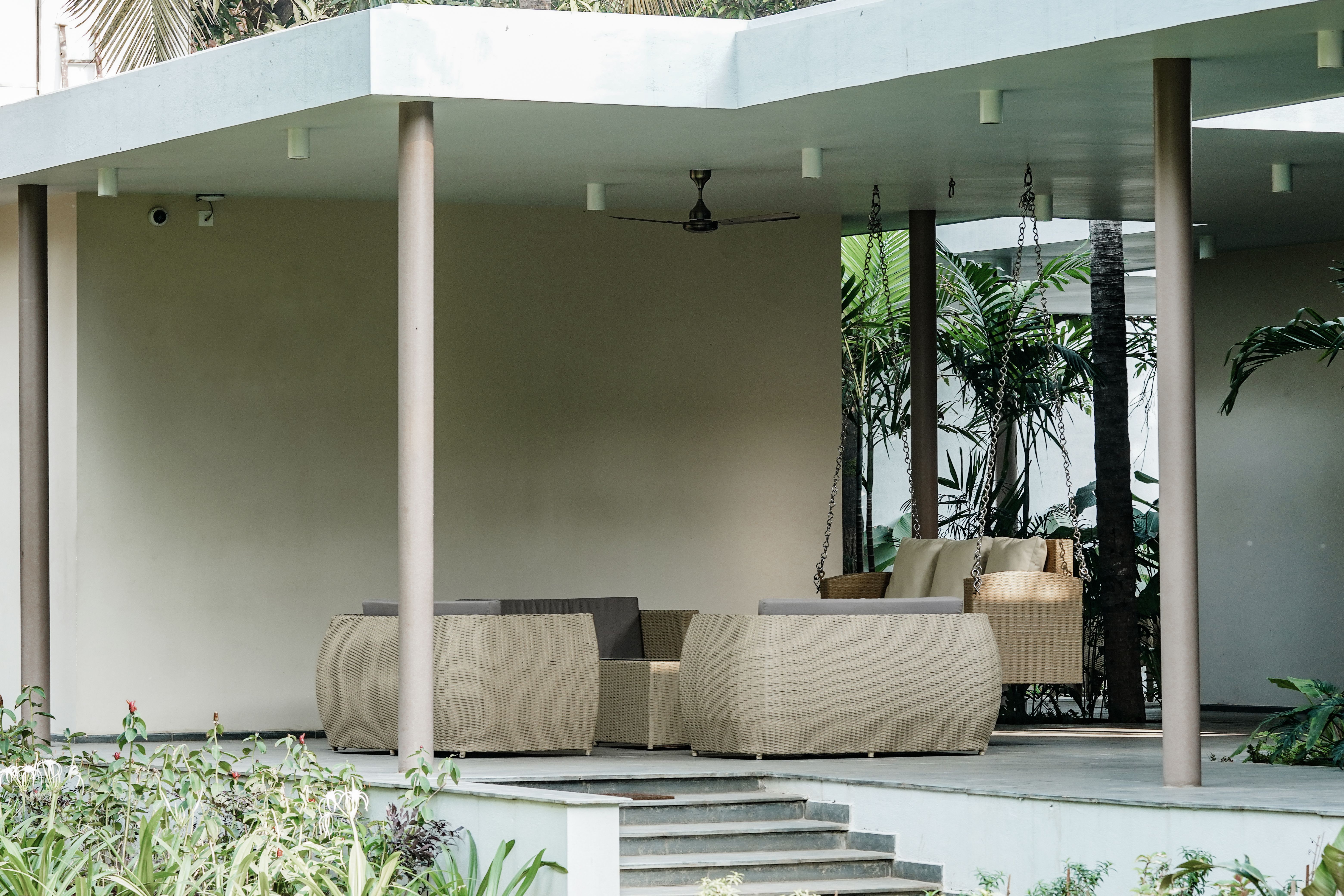
Outdoor furniture is often judged by its silhouette, but comfort depends on less glamorous details: seat depth, back angle, arm height, stability, and how hot the material becomes in direct sun. Sit in a chair before buying several of them. If the seat encourages you to perch rather than settle, it will probably be used less than expected.
For entertaining, combine formal and informal seating. A table with upright chairs supports meals, while a nearby bench or pair of lounge chairs lets conversation continue after plates are cleared. Avoid filling every available metre with furniture. Empty space is not wasted; it is what lets people circulate.
- Use a table proportionate to the space, not to an imagined maximum guest list.
- Keep at least one surface within easy reach of every main seat for glasses, books, or phones.
- Choose cushions with removable, washable covers and store them when rain is expected.
- Include at least one seat with arms and a firm height for guests who find low lounge furniture difficult.
Use planting to soften and frame the space
Plants should provide more than colour. They can define the edge of a dining area, filter a view, reduce the sense of exposure, and create a visual transition between a hard surface and the wider garden. Repetition usually looks more intentional than a collection of unrelated pots, so repeat one or two plant shapes or container colours.
For a relaxing atmosphere, combine different textures rather than relying on flowers alone. Grasses move in the breeze, broad leaves create visual weight, herbs add scent near seating, and evergreen structure keeps the space from disappearing outside the growing season. Choose plants according to the actual light, wind, soil, and watering conditions rather than trying to force a magazine style into an unsuitable corner.
The RHS also recommends considering pollinator-friendly planting and grouping containers according to their light and shade needs. In practice, that means placing thirsty sun-loving pots together instead of scattering them across the garden and creating a watering chore that quickly becomes tiresome.
Select surfaces and materials with maintenance in mind
The most stylish material is usually the one that still looks considered after a busy season. Before committing to a surface, ask how it handles rain, stains, frost, leaves, furniture movement, and regular cleaning. Also check drainage and the finished level against door thresholds; a beautiful new surface that traps water beside the house is a poor improvement.
Material choices do not have to be purely aesthetic or purely environmental. The U.S. Environmental Protection Agency’s landscaping guidance highlights recycled-content materials, low-embodied-energy options, climate-appropriate plants, and permeable surfaces as ways to reduce the impact of exterior spaces. Those principles can be applied without making the garden look utilitarian.
- Use permeable paving or gravel where it suits the site and local conditions, so rainfall can soak into the ground rather than rushing across a sealed surface.
- Reuse sound planters, bricks, timber, or stone before buying new decorative pieces.
- Keep hard landscaping concentrated around the areas that genuinely need a firm, level surface.
- Check manufacturer care guidance before combining cleaners, sealants, or pressure washing.
Permeable does not mean maintenance-free. Joints can collect sediment and weeds, and the sub-base must be appropriate for the ground. The point is to choose a surface that solves the site’s drainage and access needs, not to add a fashionable label.
Make evening lighting useful, not glaring
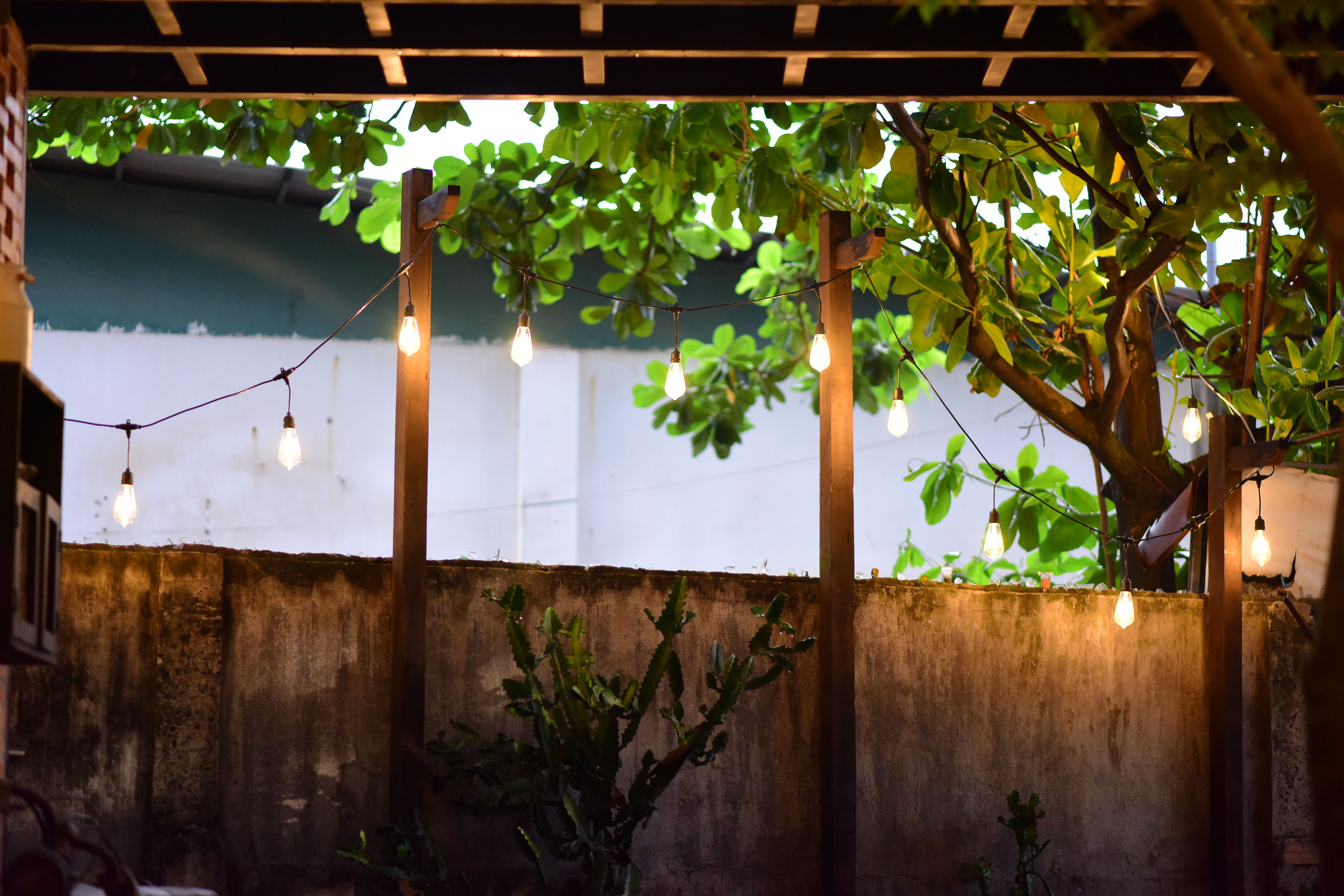
Good outdoor lighting is layered and restrained. Start with safety: steps, changes in level, and the path from the house should be readable. Add low ambient light around the seating area, then use a small amount of accent light to reveal foliage, texture, or an architectural feature.
The RHS advises keeping garden lighting low, directing it across paths rather than into the sky, and using warmer tones where possible. It also cautions against lighting ponds, which can disrupt nocturnal wildlife. The U.S. Department of Energy makes a related point in its principles for responsible outdoor lighting: use only the light level needed, target it carefully, and control when it is on with timers, dimmers, or motion sensors.
String lights can create a welcoming canopy, but they should not be the only light source. A table may need a soft central lamp or nearby wall light, while a path needs illumination close to the ground. Avoid placing bright fixtures directly opposite a seat; glare makes the space feel less relaxing, not more luxurious.
Design for entertaining without losing the quiet feeling
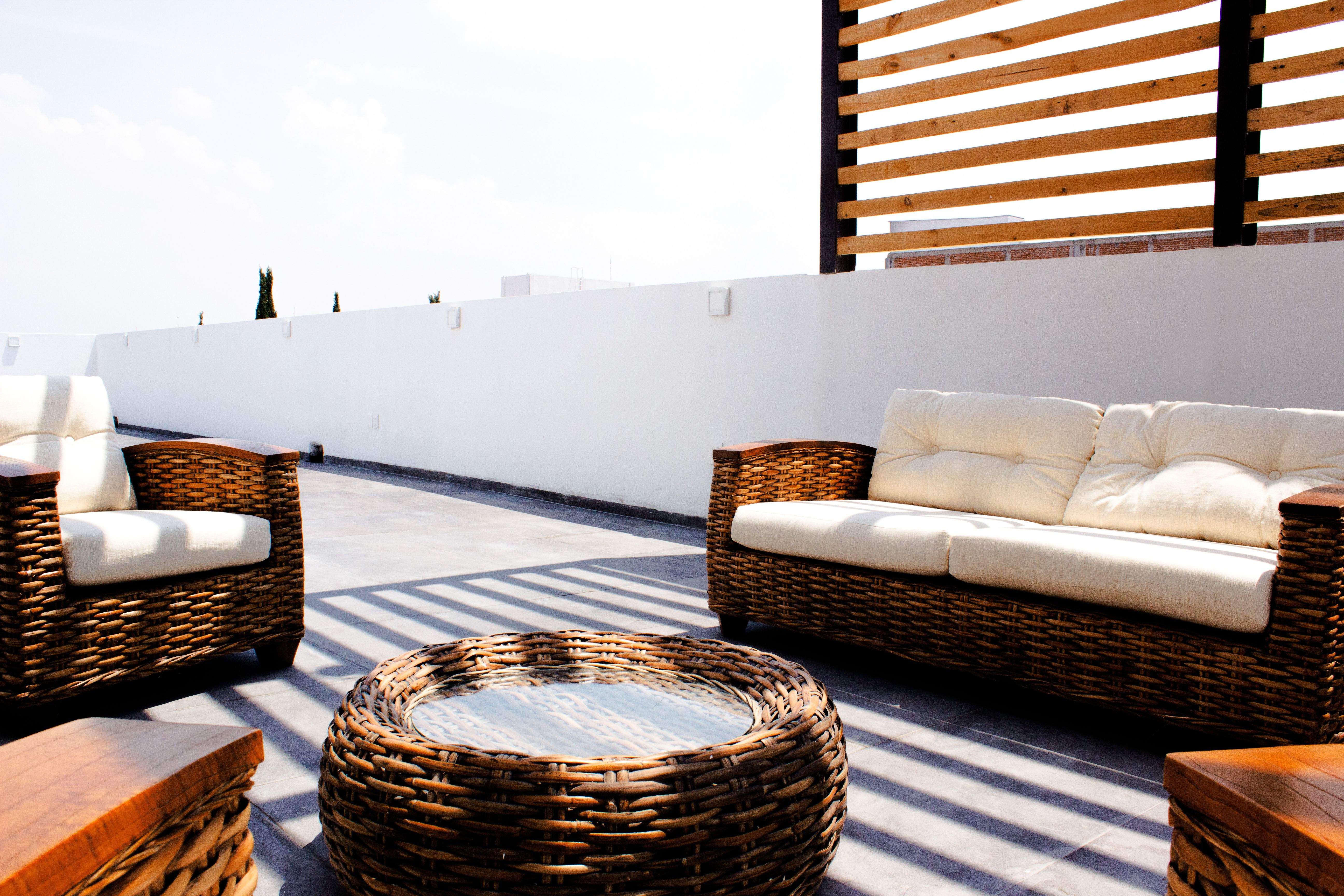
Entertaining becomes easier when the garden does not depend on constant supervision. Put serving pieces where they are needed, provide a bin or tray for used glasses, and make the route to the bathroom or kitchen obvious. A small drinks station can prevent guests from clustering around the back door, while a lidded storage box keeps blankets and cushions close without leaving them exposed.
Weather should shape the plan. A parasol, pergola, retractable awning, or mature tree can provide shade, but each has different limits in wind and rain. Open-sided structures preserve airflow and views; enclosed structures offer more shelter but can make a small area feel crowded. Choose the least permanent solution that solves the problem you actually have.
Noise and privacy deserve attention too. Dense planting, trellis, and strategically positioned seating can soften sightlines without turning the garden into a fortress. I would prioritise one genuinely comfortable, sheltered seating area over a larger collection of decorative pieces. Guests remember whether they could sit, talk, and reach their drink; they rarely remember how many accessories were on the table.
The finishing layer: restraint, repetition, and readiness
Once the layout works, give the space a limited visual vocabulary. Repeat a metal finish, carry one accent colour through the cushions and planting, and let the main material appear in more than one place. For example, the tone of a timber surface might reappear in a stool or serving board, while a muted fabric colour connects the dining and lounge zones.
Keep a short reset routine for the end of a gathering:
- Clear food and standing water from surfaces.
- Return cushions and throws to dry storage.
- Switch off decorative lighting and leave only essential path or security lights.
- Move fragile pots and loose objects if strong weather is forecast.
- Check that drains, gates, and the main walking route remain clear.
This small amount of preparation protects the appearance of the space and makes the next use feel inviting rather than like another household task.
Frequently Asked Questions
1. How do I make a small outdoor space work for both relaxing and entertaining?
Use flexible furniture and overlapping zones rather than trying to create separate rooms. A compact dining table, two comfortable lounge chairs, and a clear serving route can support meals, conversation, and quiet use without filling the entire space.
2. Which outdoor lighting is best for a relaxing atmosphere?
Use low-level, warm-toned lighting aimed at paths and seating rather than bright upward-facing fixtures. Combine gentle ambient light with focused step lighting, and use timers or dimmers so lights are not left on unnecessarily.
3. How can I add privacy without making the garden feel enclosed?
Use layered screening such as trellis, climbers, tall grasses, or strategically placed shrubs. Screen the specific sightline that causes the problem instead of surrounding the whole garden with tall, solid barriers.
4. What should I consider before installing a patio or deck?
Check drainage, finished levels, access, sunlight, maintenance, and the route between the house and seating area. Choose a surface that suits the site’s weather and use, and confirm any structural, planning, or landlord requirements before work begins.
5. How do I keep an outdoor space stylish without buying lots of accessories?
Use repetition and proportion instead of quantity. Repeat a small number of colours and materials, choose plants with varied texture, and keep surfaces clear enough for food, drinks, and everyday use.
Make the space earn its place
The best outdoor room is not the one with the most features. It is the one that makes ordinary moments easier: morning coffee in a sheltered chair, an unhurried meal at a table that is close to the kitchen, or a conversation that continues after sunset because the path is safe and the light is gentle.
Begin with how you want to move and feel, then choose the materials, furniture, plants, and lighting that support that behaviour. When the practical decisions are right, style becomes much simpler. The garden does not need to perform for visitors; it only needs to welcome them, and welcome you, naturally.

